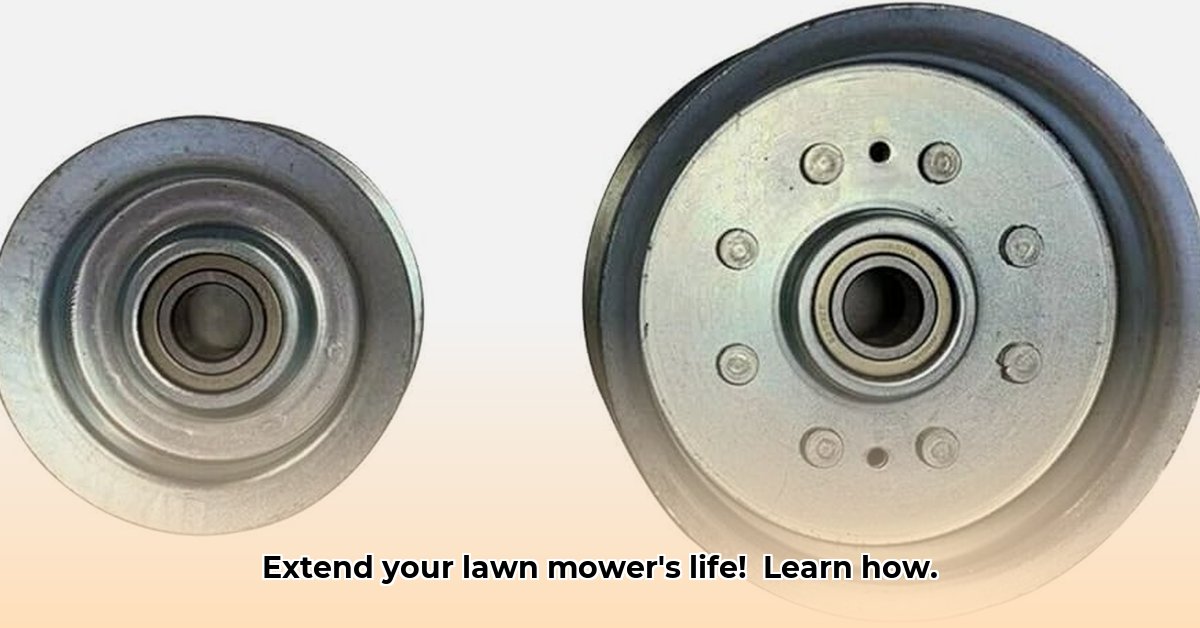
Idler Pulley Tractor Supply: Keeping Your Lawn Mower Running Smoothly
Your lawn mower's efficiency hinges on seemingly small parts. One such critical component is the idler pulley. This unassuming wheel plays a vital role in transferring power from your engine to the blades. A malfunctioning idler pulley leads to frustrating issues like belt slippage, uneven cuts, and ultimately, costly repairs. This guide empowers you to choose, install, and maintain the correct idler pulley for your mower, keeping it running smoothly for years to come. For information on Tractor Supply's return policy, see Tractor Supply Returns.
Understanding the Idler Pulley's Role
The engine generates power, but the idler pulley is the key to proper power transfer. The drive belt carries this power to the cutting deck. The idler pulley, functioning like a tensioner, ensures the belt remains taut and correctly positioned. Without sufficient tension, the belt slips, resulting in poor cuts, a strained engine, and potential belt damage. A faulty idler pulley directly causes these problems; replacing it is a simple fix and prevents further issues.
Choosing the Perfect Idler Pulley at Tractor Supply
Selecting the correct replacement is crucial. Before heading to Tractor Supply (or browsing their website 1), gather crucial mower information. The model number – usually found on a sticker under the hood or on the mower body – is essential for compatibility. Use this number to locate parts diagrams or compatible components on the manufacturer's website or Tractor Supply's site.
Key specifications to note include:
- Diameter: The pulley's overall size (usually in inches).
- Bore Size: The diameter of the central hole that fits onto the shaft. This needs to be precise.
- Material: Metal (often steel) or plastic pulleys are available, each with its own pros and cons.
Don't guess; even a slight discrepancy can cause major problems. Precise measurements are vital for a correct fit.
Material Showdown: Metal vs. Plastic Idler Pulleys
Metal (usually steel) idler pulleys offer superior durability and a longer lifespan, withstanding the constant stress of engine operation. While slightly more expensive initially, their longevity makes them a cost-effective choice in the long run. Plastic pulleys are cheaper upfront but are more prone to wear, potentially requiring more frequent replacements.
Which material suits you best? Consider your budget and how long you plan on using your mower. For long-term use, the robust metal pulley is the better investment.
Installing Your New Idler Pulley: A Step-by-Step Guide
Replacing an idler pulley is achievable for many DIY enthusiasts but prioritize safety. Incorrect installation can lead to injuries or mower damage.
Safety First: Always disconnect the spark plug to prevent accidental starting. This is non-negotiable!
Step-by-Step:
- Gather Tools: Collect necessary tools (sockets, wrenches, etc.), a clean rag, and potentially lubricant for the pulley bearing. Consult your mower's manual for specific requirements and torque specifications.
- Remove Old Pulley: Carefully remove the old pulley, noting its placement for reassembly. Take photos if needed.
- Clean Mounting Area: Thoroughly clean the mounting area; remove grease and debris to ensure a secure fit.
- Install New Pulley: Install the new pulley, ensuring proper alignment. Tighten fasteners appropriately to the manufacturer's torque specifications; over-tightening can cause damage.
- Belt Tension: Reconnect the drive belt and verify proper tension. Consult your mower's manual for correct tension guidelines.
- Final Check: Reconnect the spark plug and test the mower for smooth operation. Listen for unusual noises or belt slippage.
Professional Help: If unsure about any step, seek professional help. A small mistake can lead to costly damage.
Maintenance and Troubleshooting Tips
Regular maintenance significantly extends the idler pulley and belt's lifespan. Periodically inspect for cracks, fraying, or wear. Replace both the pulley and belt together if significant wear is found to avoid problems.
Troubleshooting:
- Belt slippage: Check belt tension. If correct, the idler pulley or its alignment is likely the culprit.
- Pulley noise: A squeaking or squealing sound suggests a worn bearing, requiring replacement.
- Pulley seizing: This usually necessitates pulley replacement.
Addressing small issues promptly prevents larger, more expensive repairs. Preventative maintenance keeps your mower running efficiently.
How to Choose the Best Flat Idler Pulley for My Lawn Mower Based on Material and Size
Choosing the right idler pulley ensures smooth mower operation and extends its lifespan. The materials (metal vs. plastic) and correct size directly influence its durability, noise levels, and overall effectiveness. Tractor Supply provides a convenient source for replacement pulleys.